The European Union and the Seychelles have agreed a key protocol for the Spanish tuna fleet
News - 2026.4.10






The European Union and the Republic of Seychelles have given the green light to the new protocol implementing the Sustainable Fisheries Partnership Agreement for the period 2026-2030, thus concluding a negotiation process that started last June. The Spanish Minister for Agriculture, Fisheries and Food, Luis Planas, praised the agreement, signed on 1 April, which is key for the national tuna fleet that fishes in the Indian Ocean, which accounts for over a fifth of the total Spanish fishing catches (21%).
According to the minister, this is a strategic fishing area for Spanish vessels deployed in the Indian Ocean, 12 tuna seiners and 12 longliners from the Basque Country, Galicia and Cantabria, for which this agreement guarantees legal security and stability.
This fleet specialises in catching tropical tuna, which is of great importance to the Spanish canning industry. Spain is the world's third-largest producer of canned tuna, and its products are renowned for their variety.
The protocol secures access to the Seychelles Exclusive Economic Zone for 38 EU vessels: 30 tuna seiners and eight surface longliners.
The new framework introduces significant advances for both sides. The reference tonnage for Community vessels operating in Seychelles waters has been increased to 55,000 tonnes - 5,000 tonnes more than under the previous agreement. In return, the Seychelles will receive 3 million euros per year (200,000 euros more than agreed in the previous protocol) to strengthen responsible and sustainable fisheries, improve scientific research, strengthen monitoring, control and surveillance, and combat illegal, unreported and unregulated fishing. It will also promote the development of small-scale fishing and the modernisation of infrastructure, as well as the training and professionalisation of local seafarers.
The agreement includes social provisions that improve working conditions for seafarers. For example, it stipulates that at least two Seychellois crew members must be embarked on each tuna purse seiner, and that minimum wages must be paid in accordance with International Labour Organisation standards.
Thus, this new protocol not only ensures the continuity of the fishing activity of EU vessels, but also consolidates a responsible, transparent and beneficial fishing model for both parties to the agreement. The new protocol is expected to enter into force after the summer.
Non official translation
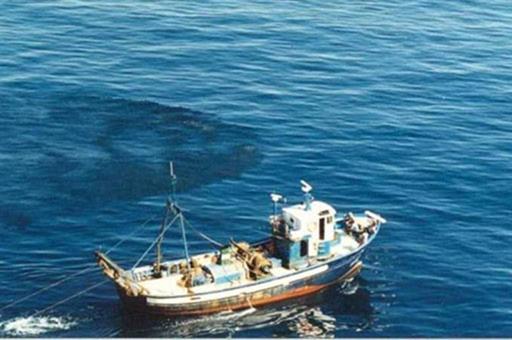
Fishing boat