Council of Ministers
The Government of Spain agrees on urgent measures to support the right to housing
Council of Ministers - 2026.9.29
Moncloa Palace, Madrid
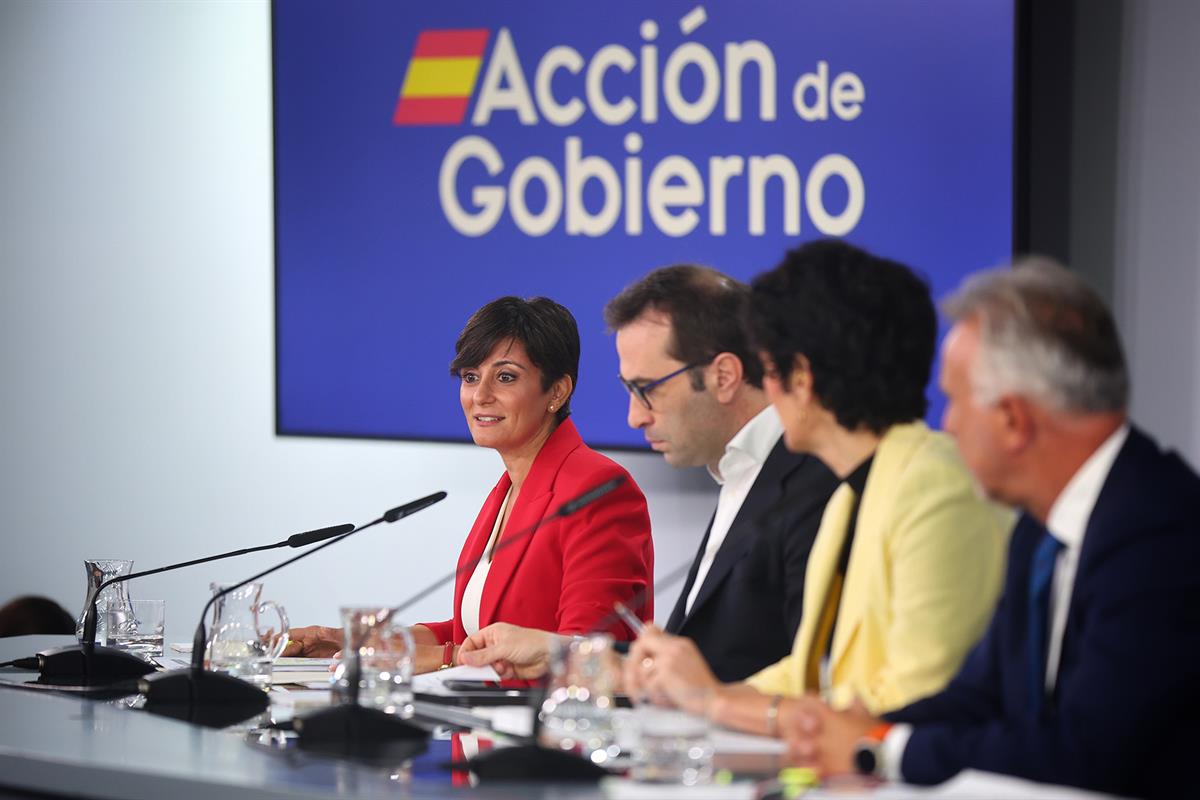 The Minister for Housing and Urban Agenda, the First Vice-President and Minister for Economy, Trade and Business, the Government Spokesperson and the Minister for Territorial Policy and Democratic Memory, at the press conference after de Council of Minist (Pool Moncloa / Sandra Armada)



The Council of Ministers has approved two Royal Decree-laws to tackle what, in the words of the Minister for Housing and Urban Agenda, Isabel Rodríguez, "is the main problem facing Spaniards": access to housing.
The minister emphasised that the approval comes against the backdrop of the fallout from the eviction of an 87-year-old woman in Madrid on 23 September. "We cannot look the other way when this happens, and today we have a political opportunity to prevent a case like Maricarmen's from happening again", said Rodríguez, who maintained that there is broad social consensus on the measures needed to alleviate "this housing crisis". The Housing Minister called on members to show "far-sightedness and generosity" in approving the measures in the Lower House of Parliament, which is expected to take place at an extraordinary plenary session next Friday.
Social protection against evictions and the fight against speculation and fraud
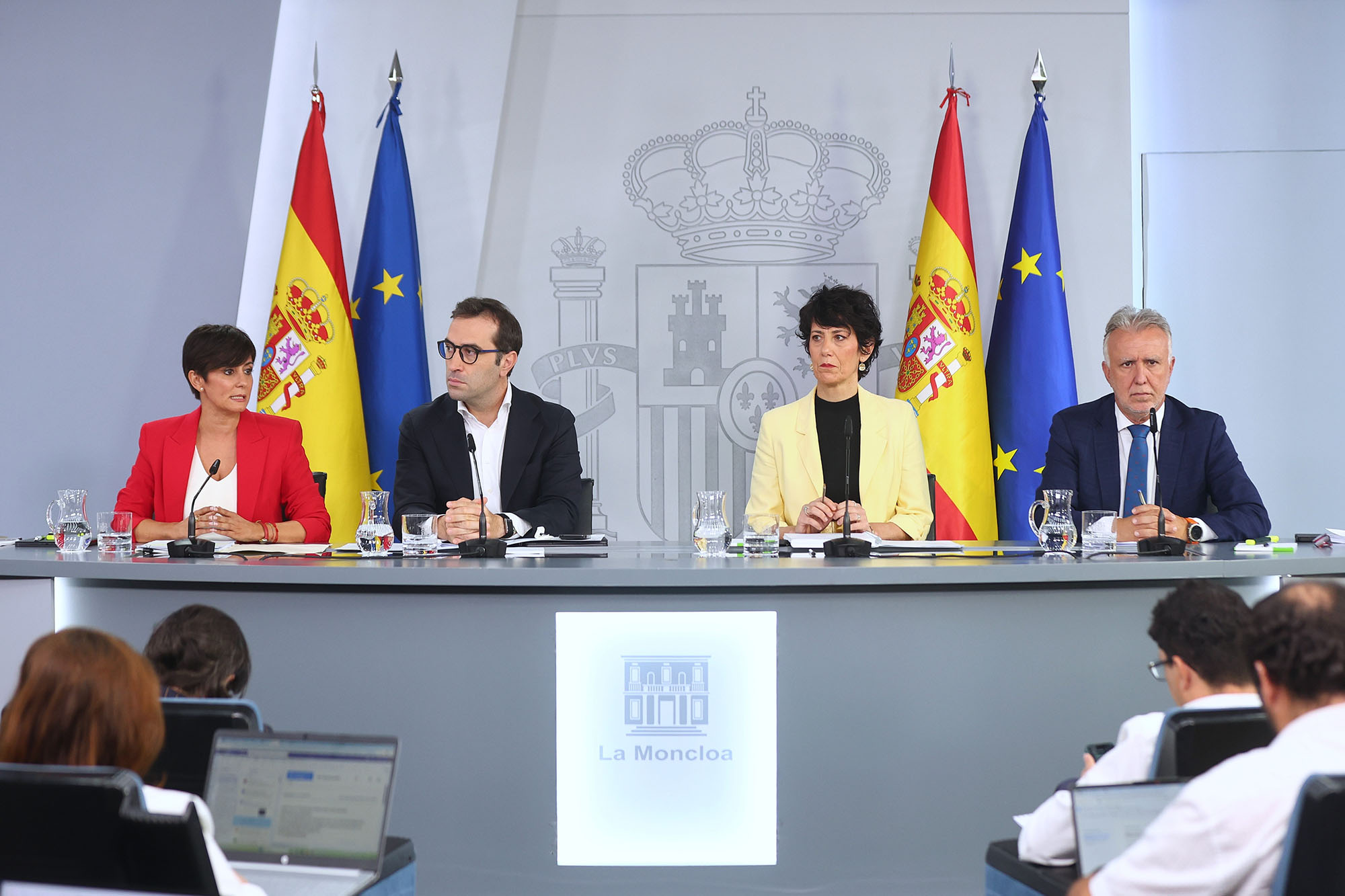 The Minister for Housing and Urban Agenda, the First Vice-President and Minister for Economy, Trade and Business, the Government Spokesperson and the Minister for Territorial Policy and Democratic Memory | Pool Moncloa/Sandra Armada
An initial Royal Decree-law aims to protect the social function of housing and increase the supply of affordable homes. According to the minister, this is an "ambitious piece of legislation", spearheaded by her department and drawing on contributions from political groups, social organisations and experts, to tackle "major problems affecting millions of Spaniards".
Isabel Rodríguez divided the initiatives contained in the legislation into four sections. The first focuses on preventing evictions: the legislation extends the validity of the 'social shield' until 31 December 2030 and improves all the protective mechanisms available to public authorities to prevent cases such as Maricarmen's.
The second section addresses speculative purchases by what are known as 'vulture funds'. "Not only are we putting names to the speculators, we are also going to identify these companies to ban them from continuing to trade in an essential good, a social asset such as housing in our country", said Rodríguez.
The legislation also reforms the tax regime for listed property investment companies (SOCIMIs) to steer their investment towards affordable housing rather than "speculative investment". Furthermore, the decree-law tackles fraud in seasonal rentals and room rentals, and sets a 10 per cent VAT rate for tourist flats. The minister pointed out that part of the problem lies in the existence of illegal tourist flats, "which should currently be undergoing closure by the regional governments".
Support for families and the expansion of public housing
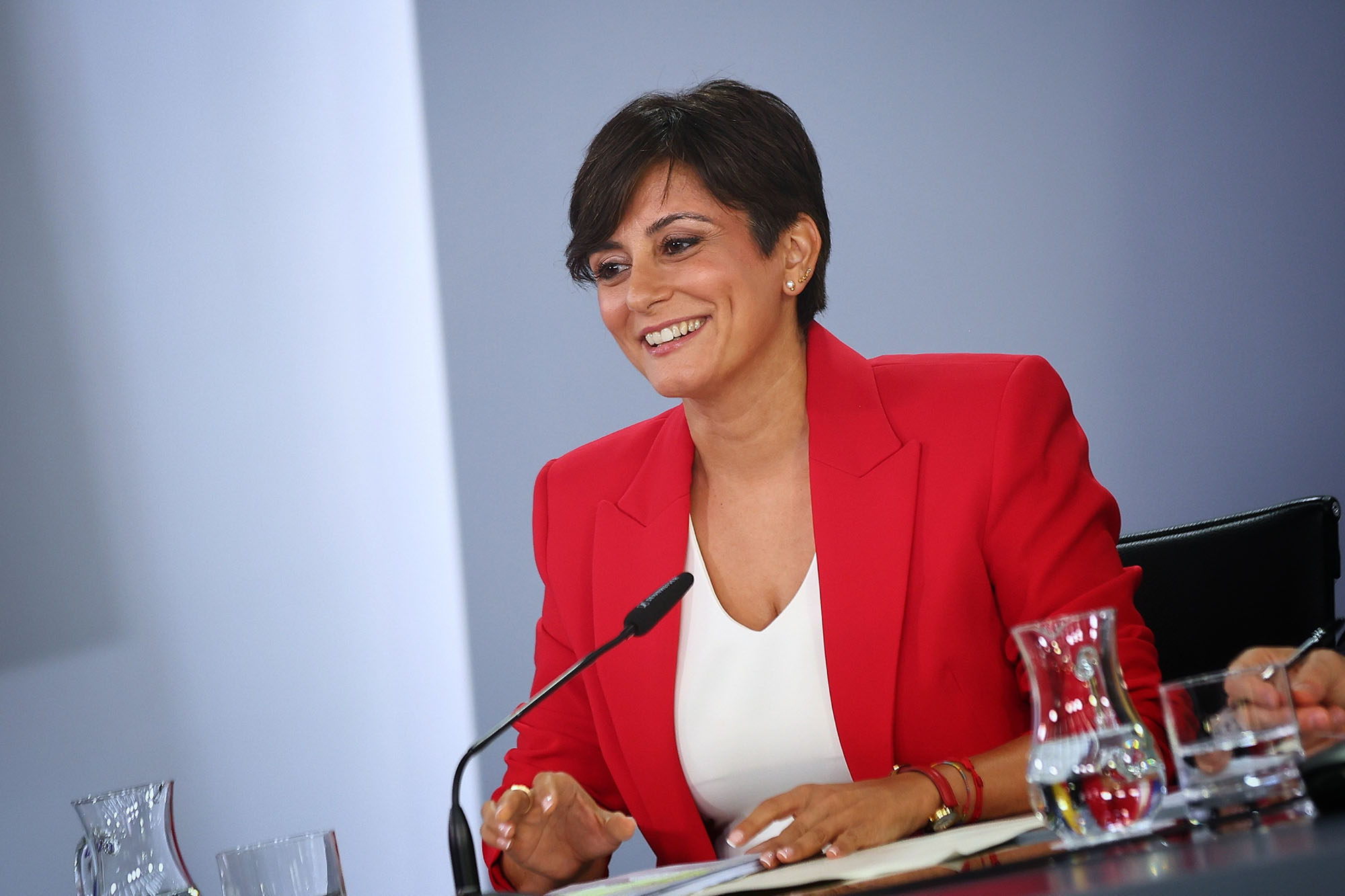 The Minister for Housing and Urban Agenda, Isabel Rodríguez, during her speech at the press conference after the Council of Ministers | Pool Moncloa/Sandra Armada
Reducing the financial burden on families when accessing housing is the aim of the third section of the decree-law. The Minister for Housing pointed out that, on occasion, households spend more than half of their wages on housing costs. Measures Measures included in this section range from tax relief for those earning up to €33,000, scaled according to income, which will mean savings equivalent to one month's rent for some families; tax incentives for individuals who "do not jump on the speculation bandwagon", and a new zero-interest financing mechanism for first-time homebuyers.
The fourth section focuses on the "most useful tool" for alleviating this crisis, according to the Minister for Housing: "More housing and more social housing". The decree-law strengthens protections for the public housing stock, activates various pending mechanisms within the General State Administration to expand that stock through the state-owned body Casa 47, and reduces VAT to 4 per cent for publicly-funded housing and social housing.
Automatic renewal of tenancy agreements
The second Royal Decree-law on housing, approved today, sets out urgent measures to strengthen the stability of tenancy agreements for main residences.
The Minister for Housing and Urban Development pointed out that Casa 47 contracts are valid for 75 years: "We want to bring that same stability to the rental market, so that renting is not a second-class existence, so that tenants do not have to live in constant uncertainty, and so that renting can also mean living with peace of mind".
The legislation provides for the automatic renewal of tenancy agreements, with safeguards in place for various circumstances, and is modelled on the regulations of other European countries.
Tax cuts and support measures in response to the crisis in the Middle East
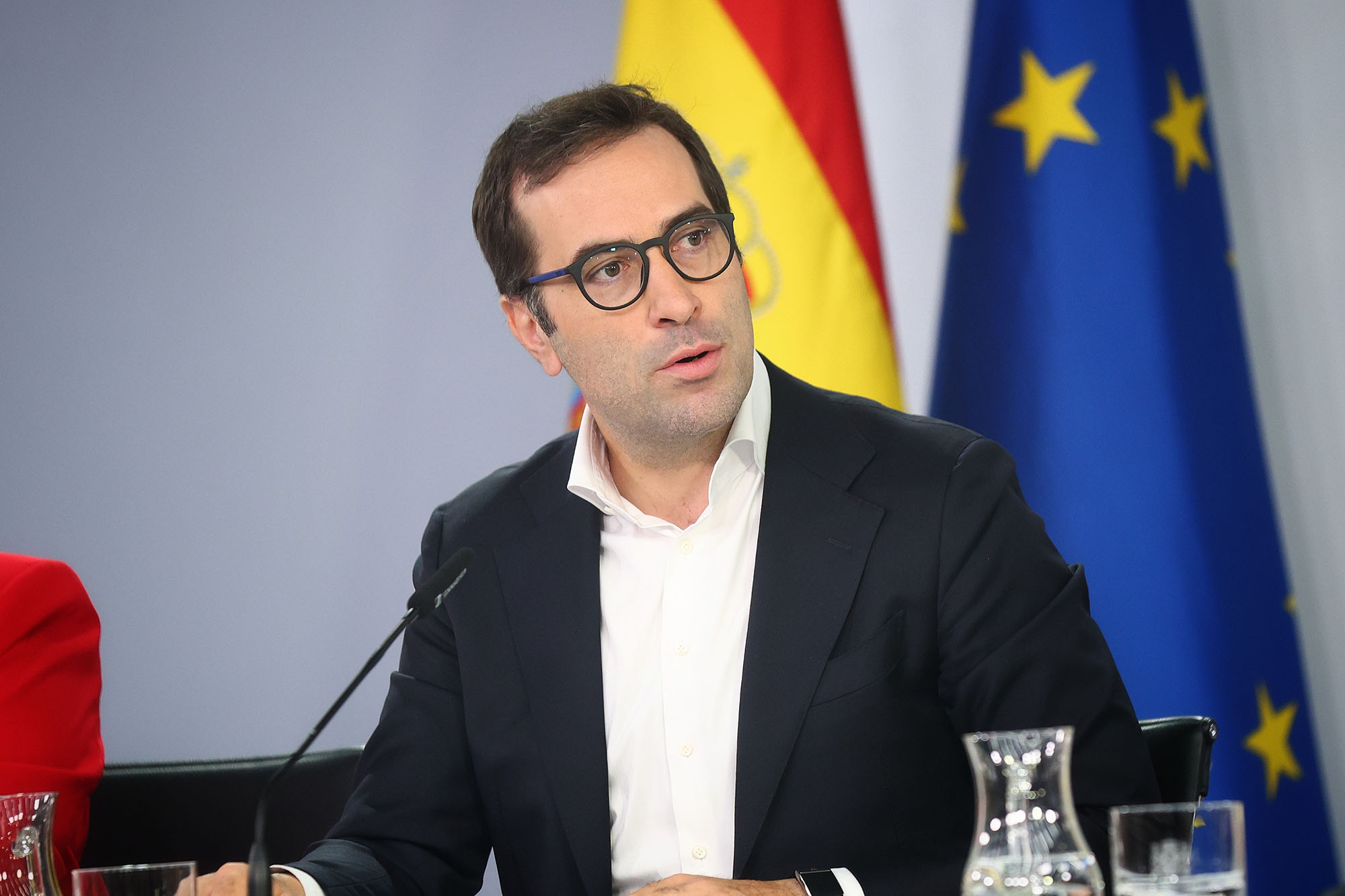 The First Vice-President and Minister for Economy, Trade and Business, Carlos Cuerpo, addresses the media during the press conference | Pool Moncloa/Sandra Armada
The Council of Ministers approved another Royal Decree-law containing the third package of measures under the Comprehensive Plan to Respond to the Crisis in the Middle East. The first was approved in March and extended in June; with today's decree, the support measures for households, businesses and the most vulnerable sectors are extended and adapted until 31 December 2026. The Minister for Economy, Trade and Business, Carlos Cuerpo, has argued that this is an "ambitious" protection plan which, at the same time, promotes energy sovereignty and the electrification of the economy. The total budgetary commitment amounts to more than 12 billion euros.
Cuerpo explained that, contrary to expectations of stabilisation back in June, geopolitical risks have persisted throughout the summer and both oil and gas prices have risen. "In fact, if we also look at market expectations, the markets no longer anticipate a full recovery in prices or in shipping traffic through the Strait of Hormuz this year", he noted. Added to these maritime restrictions are tensions in the supply of refined products and a reduction in available stocks, which is putting further pressure on energy costs and on prices in general.
In Spain's case, inflation has risen to 4.9 per cent; around 2 percentage points of this increase are attributable to energy, according to the Minister for Economy. Cuerpo emphasised the effectiveness of the government's measures to cushion the impact of this rise, for example, on the price of petrol and diesel. "Our measures are providing relief in terms of prices and, furthermore, from the outset we have been closely monitoring price trends at petrol stations to ensure that these fiscal measures are effectively passed on to the public", he said.
Carlos Cuerpo also pointed out that the latest figures show that the Spanish economy "is holding its own in this third quarter", both in terms of growth and national insurance contributors.
Tax relief on diesel and petrol, and support for farmers and hauliers
With regard to the content of the Royal Decree-law, the Minister for Economy stated that it remains committed to the principle of protecting households and businesses during times of greatest strain, with a view to gradually withdrawing the measures as markets stabilise, in order to minimise their cost.
With regard to fuel, the regulation maintains the reduction in the Hydrocarbon Tax for diesel and petrol, following a tapering schedule: a 20-cent-per-litre reduction in October, 13 cents in November, and 6 cents in December, but with an automatic reactivation clause. This means that if prices rise again by more than 15 per cent, the 20-cent reduction will be reinstated for November or December.
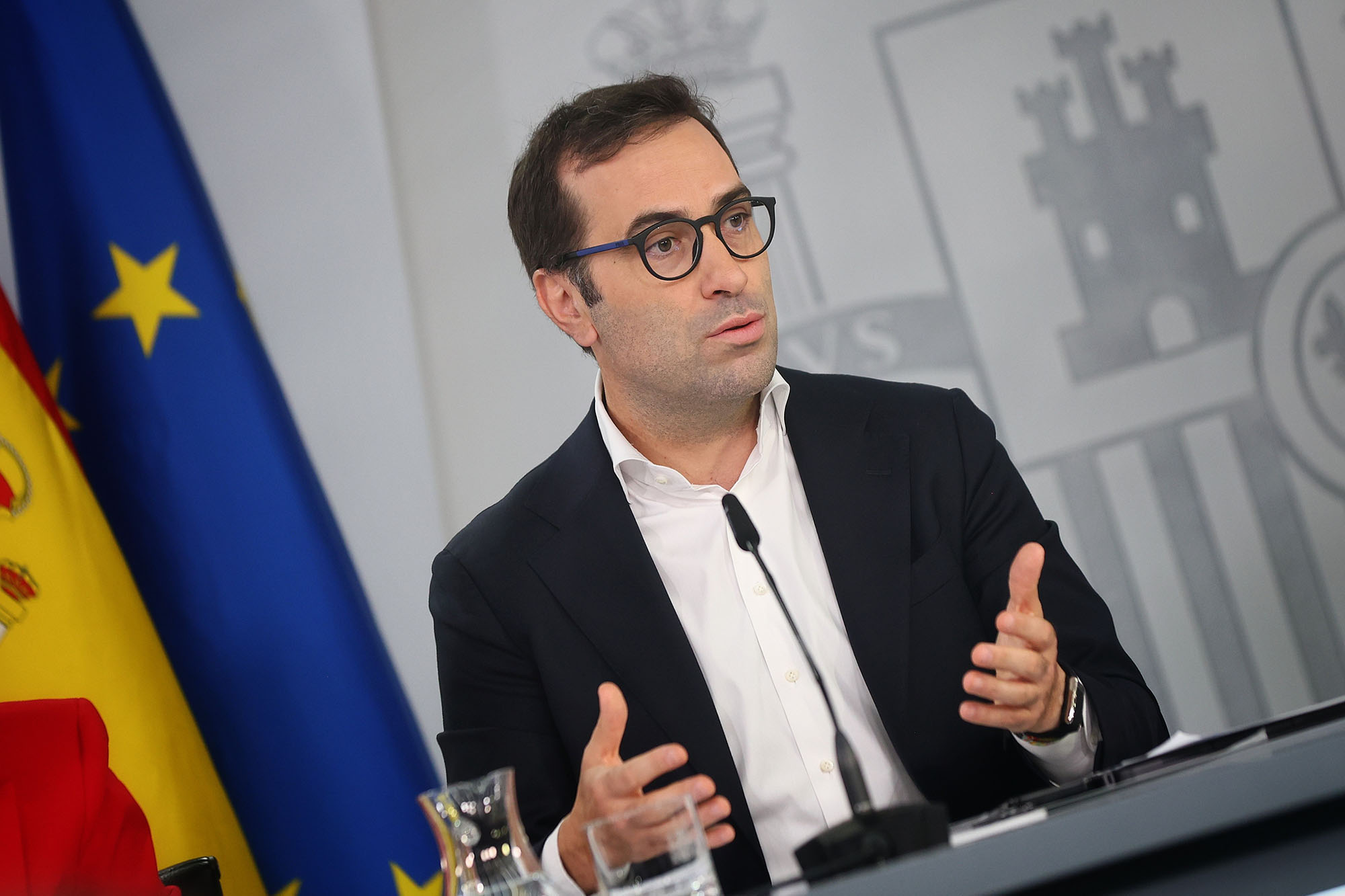 The First Vice-President and Minister for Economy, Trade and Business, Carlos Cuerpo, speaks at the press conference after the Council of Ministers | Pool Moncloa/Sandra Armada
With regard to energy bills, a new measure has been introduced to protect more than 3 million consumers: the increase in the Tariff of Last Resort (TUR) for natural gas is capped at 35 per cent in the October review and at 15 per cent in subsequent reviews. Carlos Cuerpo pointed out that, without this cap, the increase would have been around 50 per cent. Furthermore, a reduction in VAT on electricity and the Electricity Tax will be introduced if the year-on-year CPI figure for September exceeds 15 per cent.
With regard to the sectors most affected, aid for farmers, livestock farmers and shipowners, as well as for commercial road haulage, has been extended once again. As a new measure, a funding scheme has been introduced for freight rail transport, providing 15,000 euros in aid per diesel locomotive.
With regard to energy sovereignty, reserves of liquefied natural gas are being increased for the winter and the energy-saving certificate scheme is being strengthened. As for social measures, companies receiving aid will not be permitted to make redundancies for reasons linked to the crisis. Finally, in the interest of transparency, two studies will be conducted: one on price formation in wholesale and retail energy markets, and another on the functioning of the food supply chain.
Waiver of advance payments for those affected by the DANA
The Minister for Territorial Policy and Democratic Memory, Ángel Víctor Torres, announced that the Council of Ministers has approved a royal decree which will allow those affected by the DANA between 28 October and 4 November 2024 who received financial advances to cover damage to their homes and personal belongings not to have to repay these sums, provided they meet the conditions set out in the regulation. In general, recipients will be required to repay the advance if, in 2025, their income was less than 42,000 euros, or if their total assets were less than 300,000 euros, excluding their home.
The minister pointed out that more than 2,700 people received these financial advances. He also emphasised the scale of the measure, which means that the Government will not recoup 44.3 million euros.
Torres indicated that further measures may be introduced throughout the year "if necessary".
New measures for Ceuta
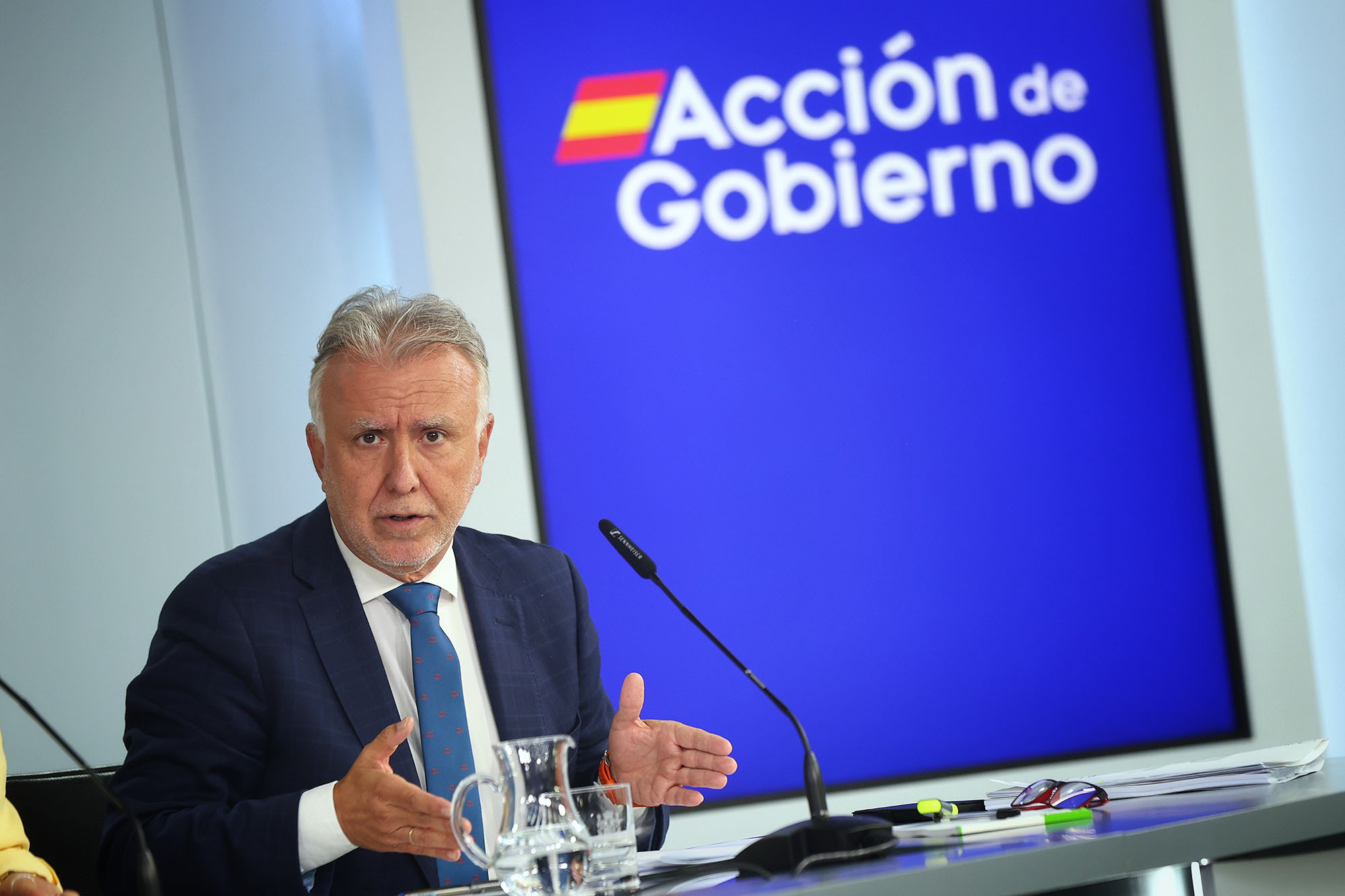 The Minister for Territorial Policy and Democratic Memory, Ángel Víctor Torres, during his speech at the press conference after the Council of Ministers | Pool Moncloa/Sandra Armada
The Minister for Territorial Policy and Democratic Memory, Ángel Víctor Torres, in his capacity as the sole authority responsible for Ceuta, presented to the Council of Ministers the latest progress report on the initiatives launched in the autonomous city. He also highlighted the approval of a royal decree authorising the use of Fort Mendizábal - a site attached to the Ceuta penitentiary - as a new location for housing migrants should the need arise.
The minister also pointed out that 63 new places have been made available to accommodate women at the Hípica facilities and announced that a further 450 places, also intended for women, will soon be brought into use. He also reported that those who had been staying on Benítez beach had been moved to the Loma de Colmenar facilities. "The operation is now complete and has been a success", Torres emphasised.
With regard to the processing of cases, the minister has updated the figures, noting that 3,220 new assessments of adults have been carried out, nearly 700 more than the previous week. He also noted that since 10 August, 8,243 people have returned, adding to the 60,000 to 70,000 who returned in the first few days.
With regard to minors, the minister put the figure at 2,493 for those currently in the regional child protection system. He also explained that 213 minors have been relocated to the mainland since the beginning of August.
Torres also highlighted that school attendance stands at 89 per cent and that the hospital system is not overwhelmed, with 14 migrants currently hospitalised. Finally, the minister announced the appointment of David de la Encina as the new Government Delegate in Ceuta, replacing Miguel Ángel Pérez Triano.
Support for Barcelona's status as a cultural capital
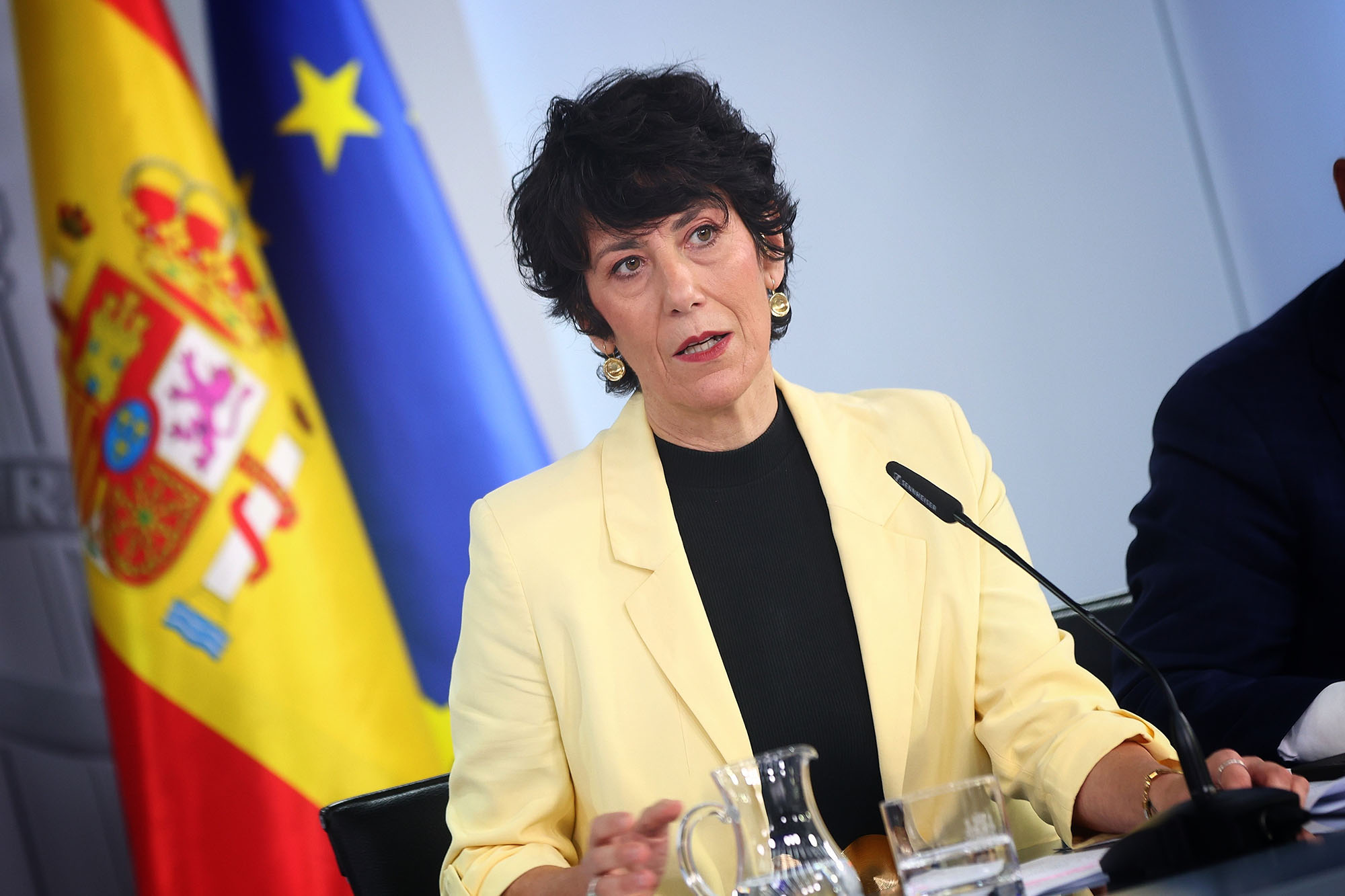 The Minister for Inclusion, Social Security and Migration and Government Spokesperson, Elma Saiz, during her speech at the press conference after the Council of Ministers | Pool Moncloa/Sandra Armada
The Minister for Inclusion, Social Security and Migration and Government Spokesperson, Elma Saiz, announced that the Council of Ministers has approved a royal decree to support Barcelona's status as a cultural capital through 49 funding streams totalling 20 million euros. The grants will be allocated to institutions and facilities, creative and exhibition projects, festivals, cultural heritage, books and reading, science and local cultural programmes, with the aim of strengthening the city's cultural ecosystem and extending its collaborative networks across the whole country.
Current Affairs
The Government Spokesperson condemned the murders of two women in Seville and Benidorm and conveyed the government's support for victims of gender-based violence. Elma Saiz pointed out that 40 women have been murdered so far this year and stressed that, in the face of this reality, "there is no room for half-heartedness or indifference".
Non official translation